
Key challenges of relocating to Finland
Relocation for work is usually presented as a straightforward process: secure a job, obtain the necessary permits, and begin your new working role. In reality, the process is far more complex. Even when international professionals follow every required step, they frequently face challenges that are not outlined in official guidelines. These difficulties often arise not from a lack of preparation, but from structural, administrative, and cultural factors that shape the relocation experience.
Understanding these issues is crucial not only for anticipating potential obstacles but also for effectively overcoming them, making the transition smoother and more successful.
1. Legal and administrative barriers
One of the first challenges newcomers face involves navigating Finland’s administrative system. While the processes are reliable and clearly defined, they are also highly detailed and strict. Residence permits, for example, are typically:
- Tied to a specific employer
- Linked to a defined role and salary
- Based on compliance with Finnish labor regulations
This means your legal status is directly connected to your employment. Small mistakes can cause delays, such as:
- Missing or incomplete documents
- Incorrectly filled applications
- Documents not meeting Finnish standards
- Missing certified translations
Often, multiple authorities are involved at different stages of the process, which can lead to duplicate submissions and waiting periods. Successfully navigating the system requires precision, patience, and attention to detail.
2. Documentation challenges
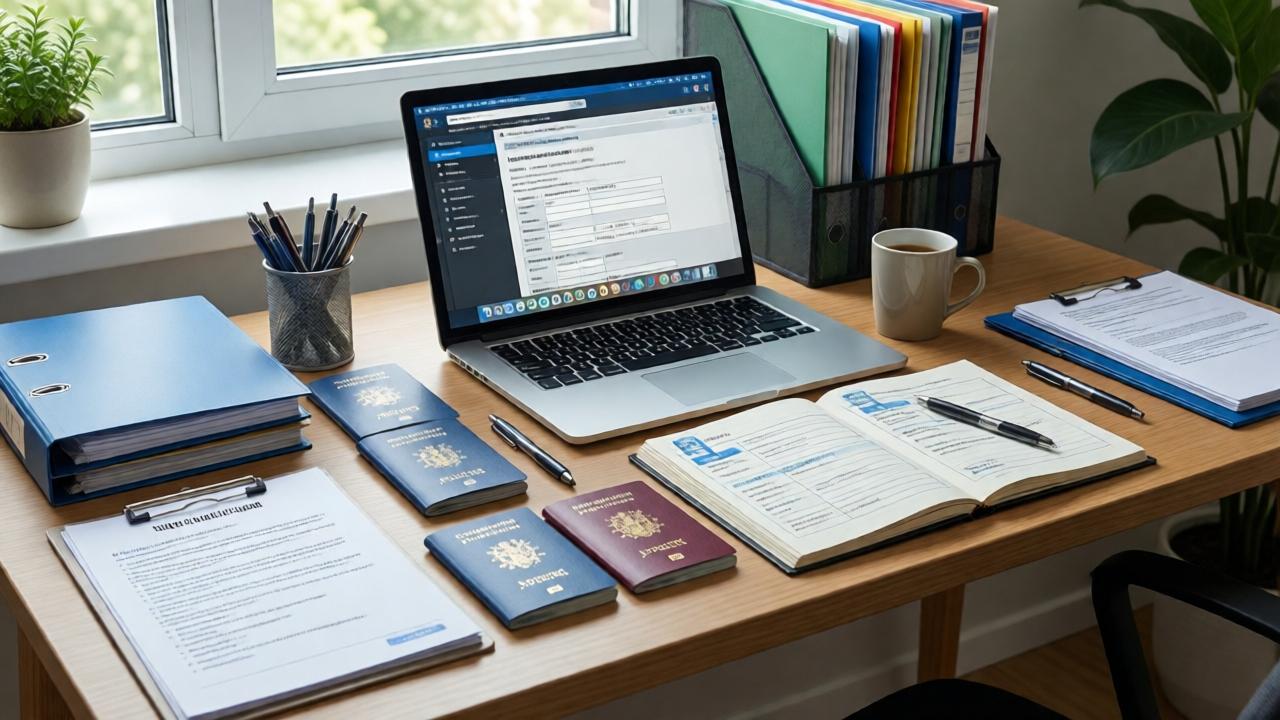
Closely related to administrative difficulties is the issue of providing the necessary documentation. Foreign specialists are typically required to provide the following documents:
- Educational certificates
- Employment records
- Personal legal documents
Meeting Finnish standards often requires translations, notarization, or official verification. Even minor inconsistencies, such as spelling differences or missing information, can slow the process. For many, the challenge is not obtaining the documents but ensuring they fully comply with local requirements. Planning ahead and carefully analyzing requirements can save significant time.
3. Housing availability
Finding housing is one of the first practical challenges after relocation. Landlords typically expect:
- Proof of stable income
- A Finnish personal identity code
- Rental history within Finland
Newcomers often cannot meet these requirements immediately. At the same time, rental agreements usually require:
- Security deposits
- Long-term commitments
- Supporting documentation, which may still be in process
This mismatch often forces newcomers to rely on temporary housing for the first weeks or months. Researching short-term rental options and being flexible can make this transition smoother and less stressful. Furthermore, using online housing platforms and seeking assistance from relocation services can significantly improve the chances of finding suitable housing more quickly.
4. Financial and banking difficulties

Finland is a highly digital society, but access to financial services depends on completing administrative steps first. To integrate into the banking system, international professionals typically need:
- A personal identity code
- A registered address
- Verified identification
Until these are in place, simple tasks like receiving a salary, paying bills, or setting up online payments can be challenging. In a cashless society, delays in banking integration can make daily life unexpectedly complicated, and managing finances without a fully active account can feel overwhelming. Planning ahead and exploring temporary solutions can make this process much more manageable and less stressful.
5. Workplace differences
Adapting to Finnish work culture is an important part of relocation. Finnish workplaces often emphasize collaboration and respect for individual responsibility. Communication may be more direct than in some other cultures, and work relationships are generally based on mutual trust and professional respect.

Newcomers may face challenges such as:
- Feedback being interpreted differently than intended
- Adjusting to expectations for independent problem-solving
- Communication styles, feeling unfamiliar or unexpected
Even minor differences in work practices can impact confidence and integration. Engaging with colleagues, asking questions, and systematically understanding local workplace norms can facilitate smoother adaptation for new employees.
6. Family and education adjustment
For professionals relocating with family, the transition becomes more complex, as the adjustment involves not just the employee but also their family members. Partners may face limited job opportunities, particularly if they are not yet proficient in the local language, while children must adapt to a new education system, learn a different language, and navigate an unfamiliar social environment.
Even though Finland offers high-quality education and strong support systems, these adjustments take time. The well-being of family members plays a crucial role in the professional’s overall experience. Planning ahead and connecting with local support networks can significantly ease the transition.
Making relocation to Finland easier
Relocation is not only an administrative process but also a deeply personal experience. Many newcomers initially experience feelings of isolation, slow social integration, and the need to adapt to Finland's climate and seasonal changes. Building relationships takes time, especially in a culture that values privacy and personal space. Joining local groups, connecting with colleagues, and participating in social events can help strengthen connections and improve overall well-being.
While social and psychological adjustments can be challenging, the practical aspects of relocation, such as documentation, housing, and banking, can be managed with careful preparation. Relocation isn’t difficult because the system is unclear- it is precise, and small delays or misunderstandings can affect the overall experience. Key steps include ensuring documents are complete, allowing time for administrative processes, planning for temporary housing, and familiarizing oneself with local workplace and social norms.
With planning, patience, and flexibility, relocation becomes not only manageable but also an opportunity for personal and professional growth. For more guidance, you can read our previous post or schedule a consultation to clarify any part of the relocation process.